Six million acres, three rivers & ten years of showing up.
(Re)Connecting Forests,
Waters & People
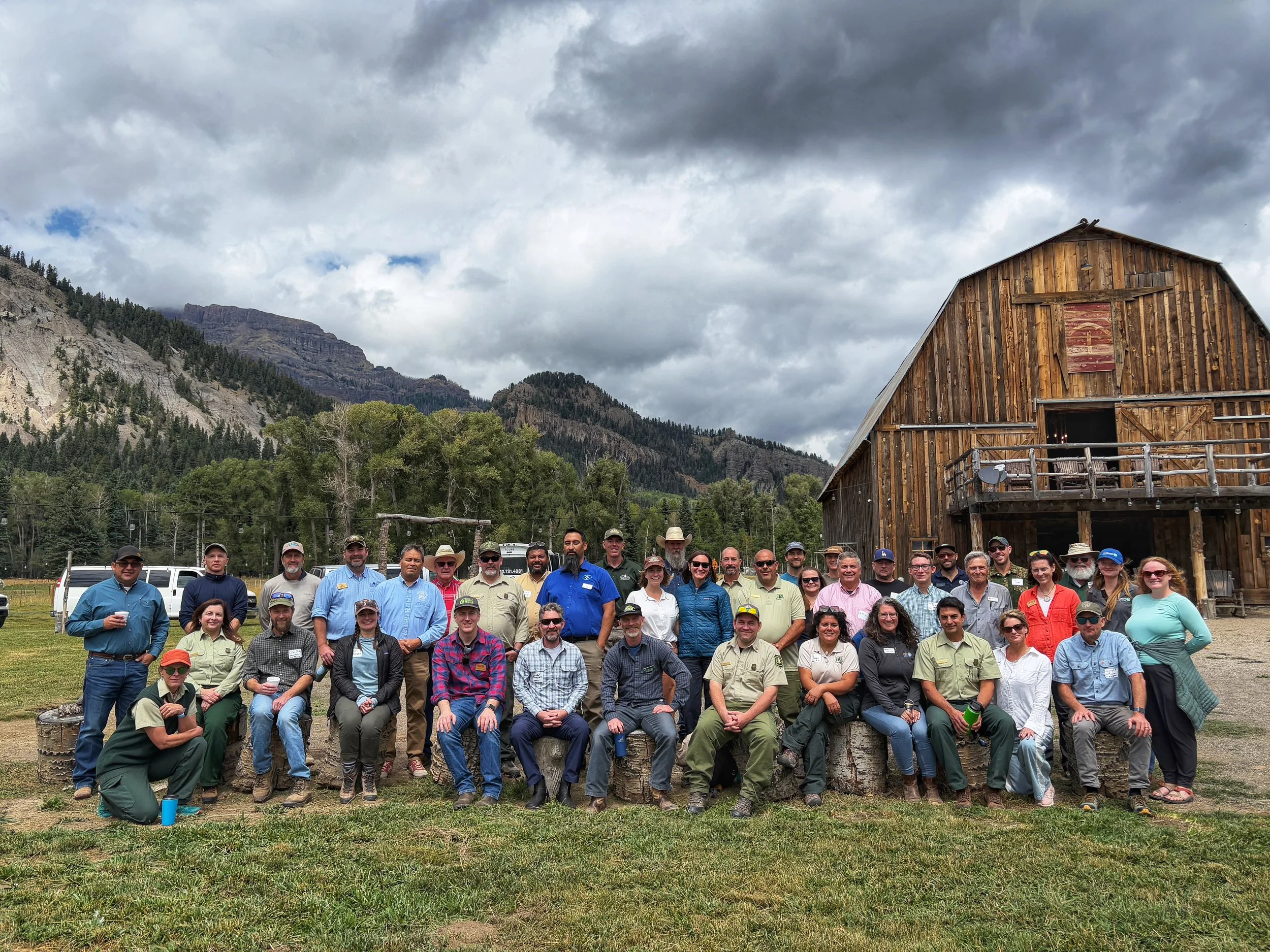
A team of teams working across every boundary
The 2-3-2 Partnership unites land stewards, communities, organizations, and governments to sustain the forests and waters that nourish us all. This work doesn't belong to any one organization. It exists because people keep coming back to the table.
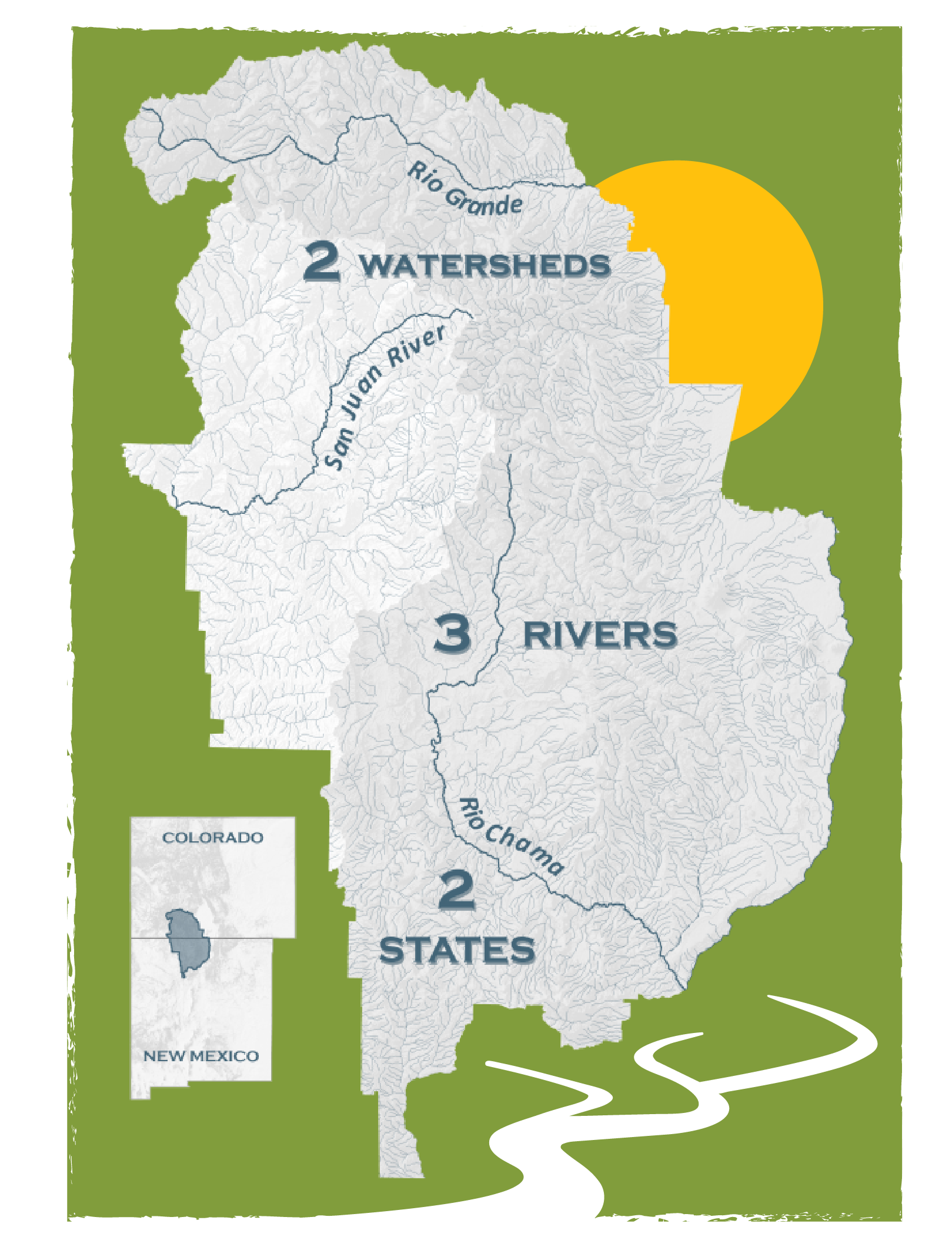
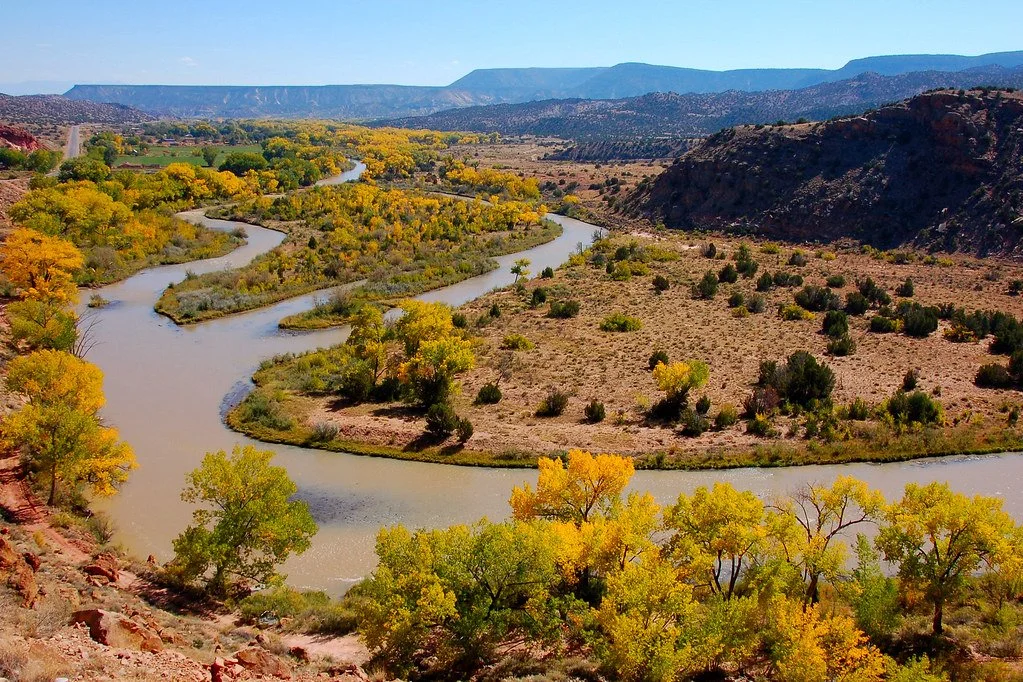
Tribal governments, local non-profits, researchers, federal agencies, and community members all working across the headwaters of the Rio Grande, Rio Chama, and San Juan River.
From Our Partners
“The 2-3-2 exists beyond any one person, organization, or project. It exists when people show up for each other.”
“The scale of coordination matches the scale of natural disasters.”
“The 2-3-2 is an intersection. A place where ideas, identities, actions, and purpose meet.”
Listen to the Partnership
Tune into the Chama Peak Farm and Ranch Show for stories from the land and people of the Rio Chama watershed. The 2-3-2's own Dirt and Dust podcast archive is also available to explore while we work on new episodes.

Stewardship meets collaboration
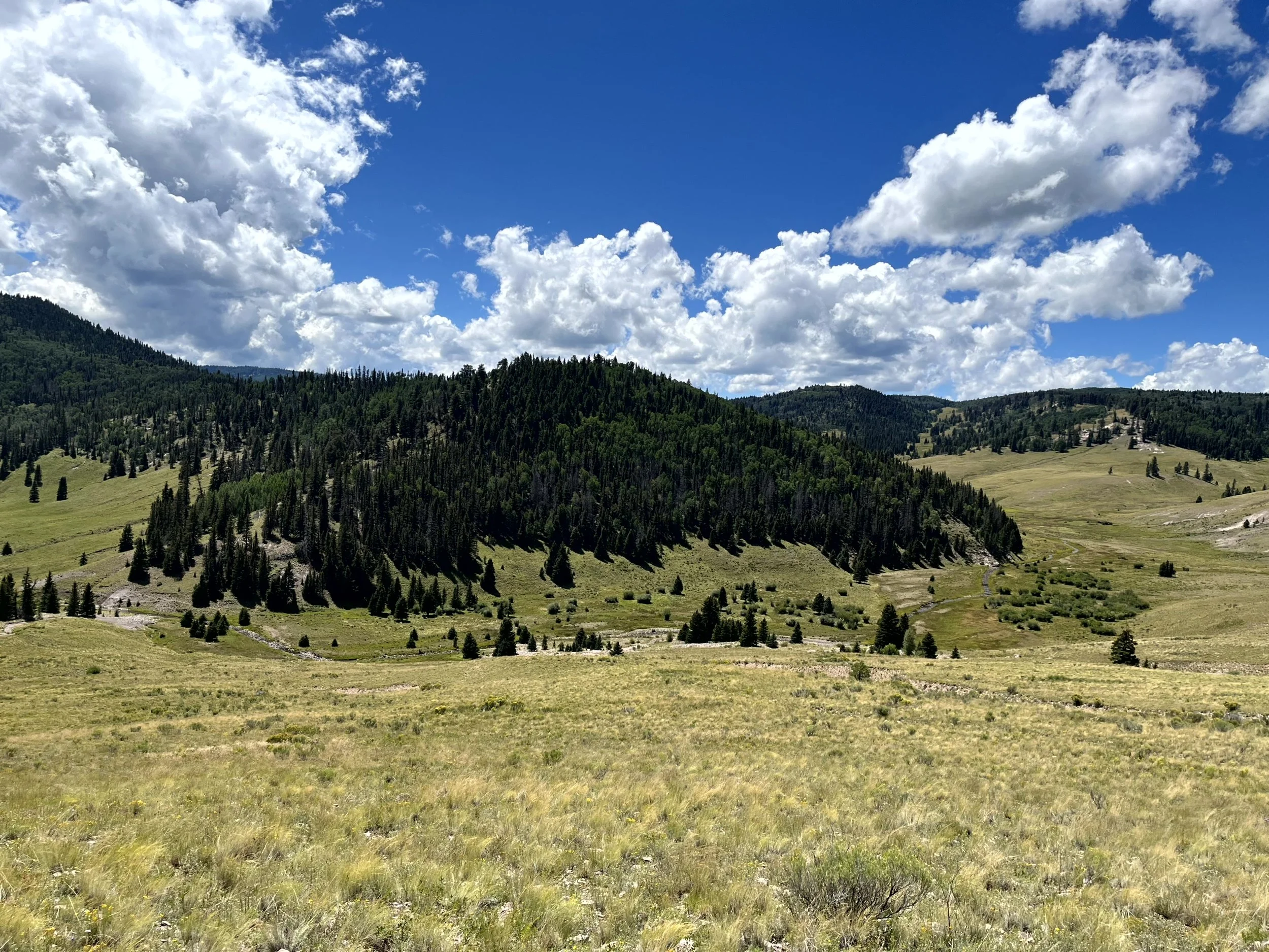
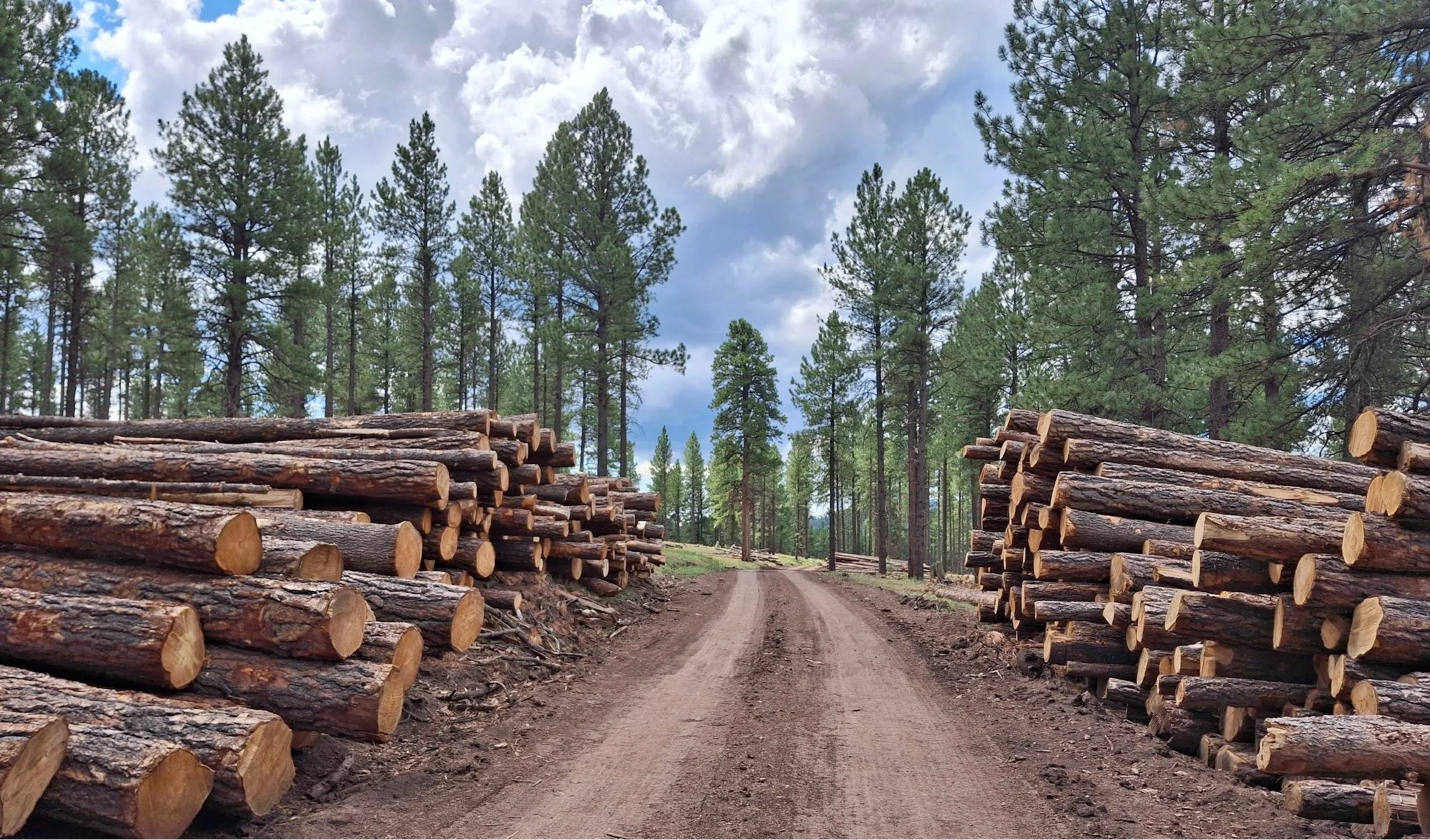
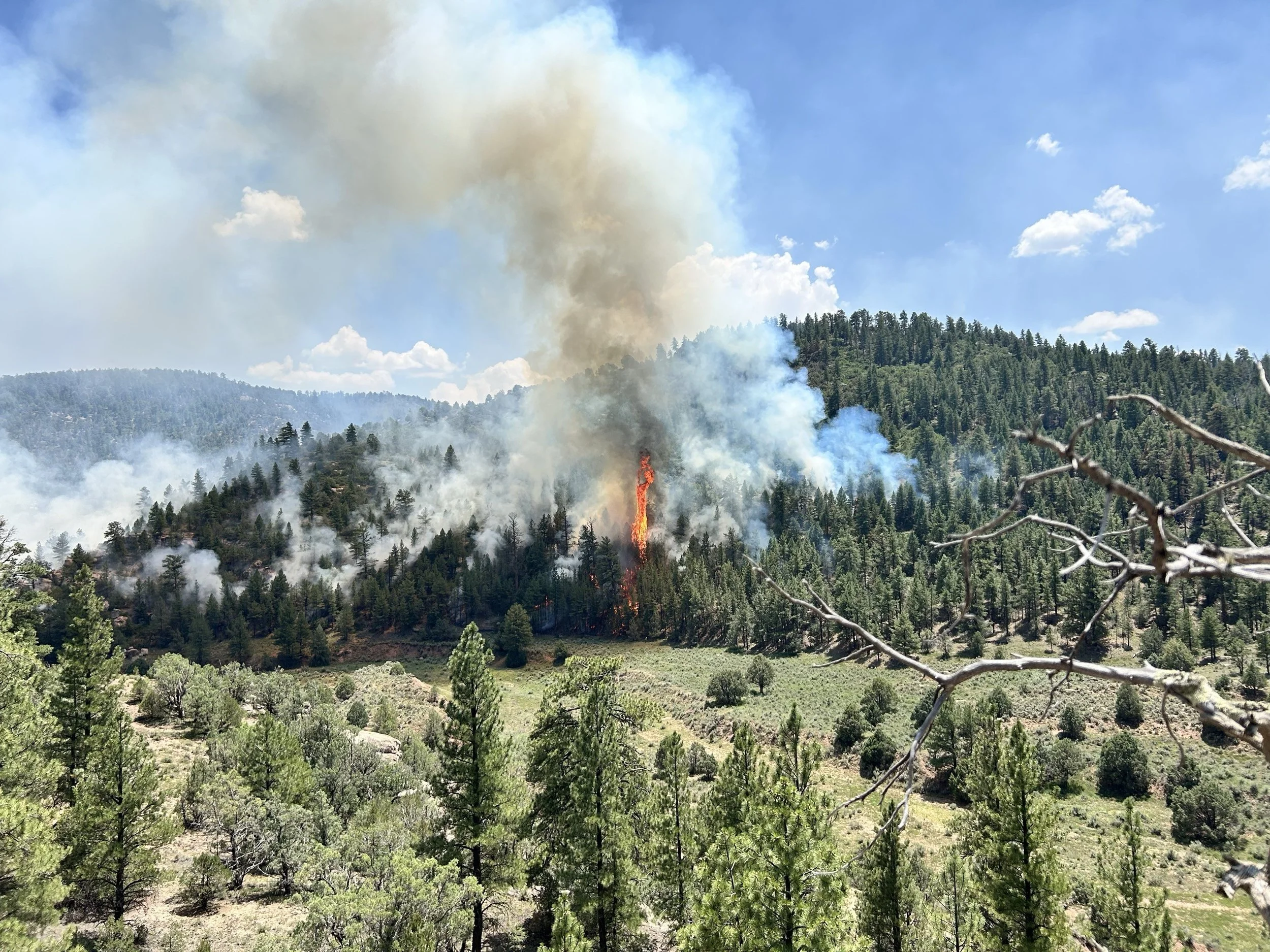
A regional vision, carried out on the ground. From tribal nurseries to prescribed burns to youth conservation crews, this is what cross-boundary collaboration looks like in practice.
The Rio Chama Collaborative Forest Landscape Restoration Project (CFLRP), one of 23 nationally funded projects, is a primary funding mechanism for the 2-3-2. The CFLRP has driven landscape-scale restoration across the partnership since 2021.
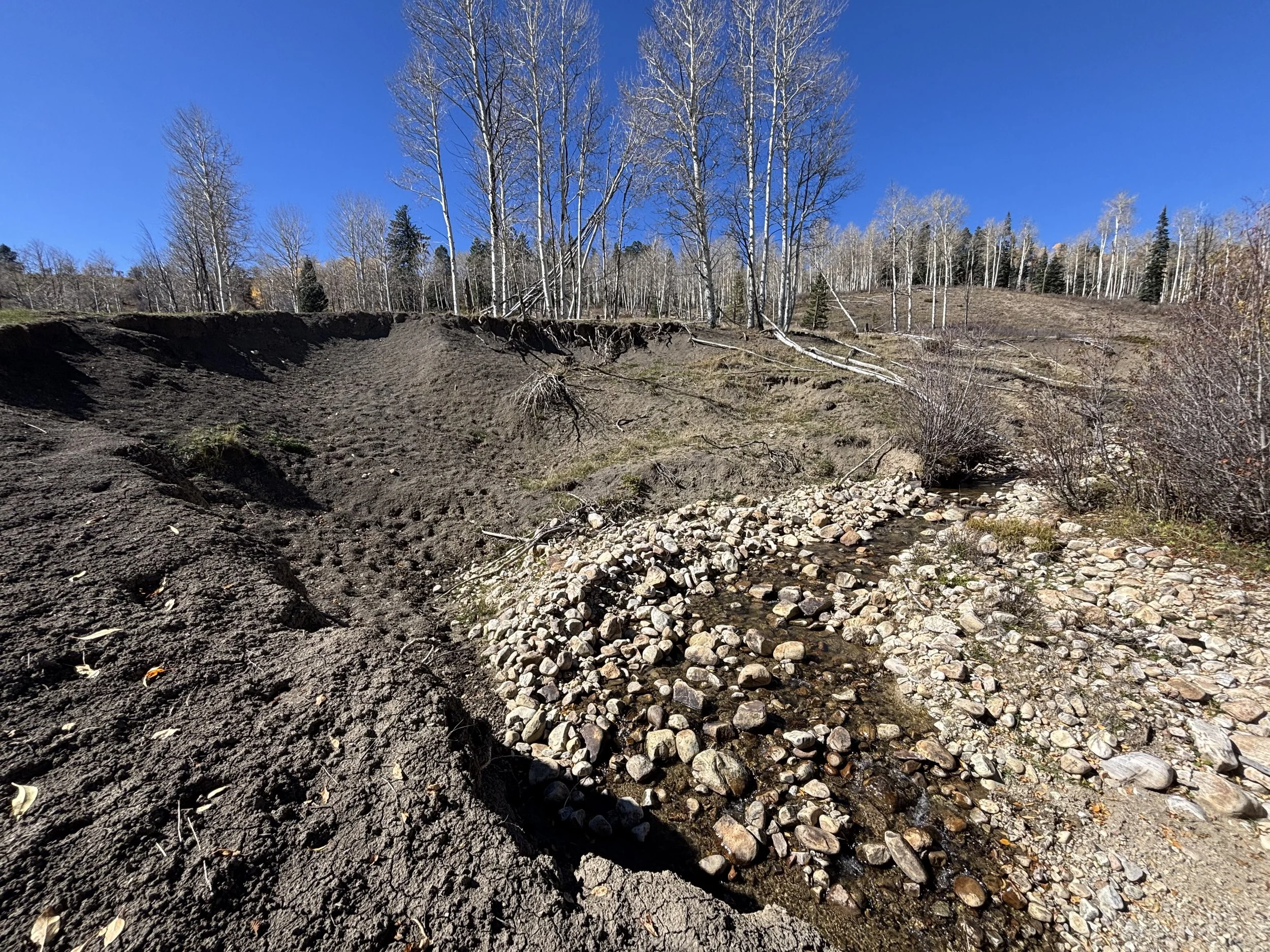
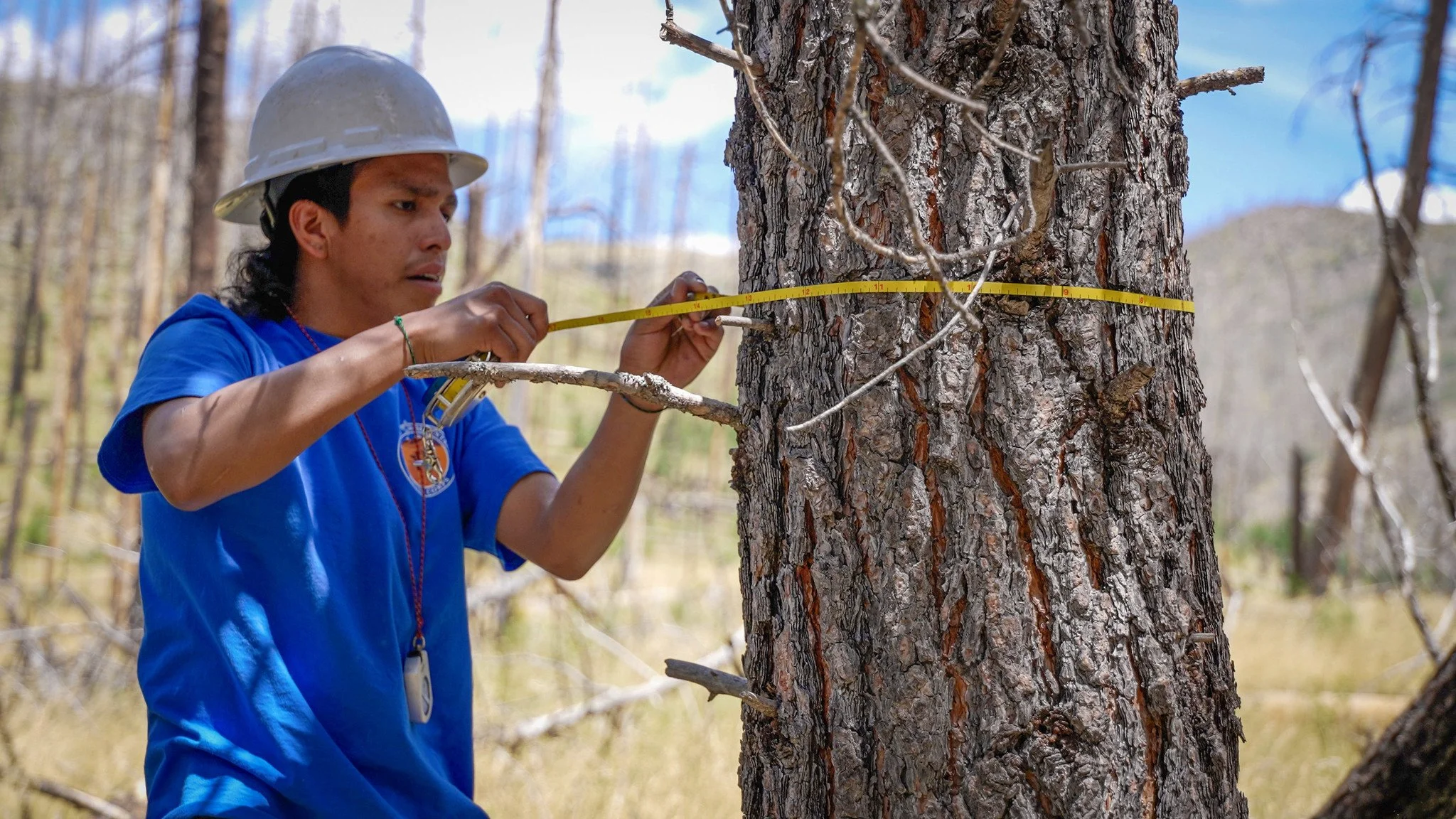
Scroll for More Projects
Monitoring the work
The 2-3-2 Partnership tracks restoration activity across the landscape through a combination of federal data and voluntary partner contributions. This monitoring is how we hold ourselves accountable and learn from the system.
From the multiparty monitoring plan to annual briefing papers, we make our data and findings publicly available so that funders, partners, and communities can see the work in full context.
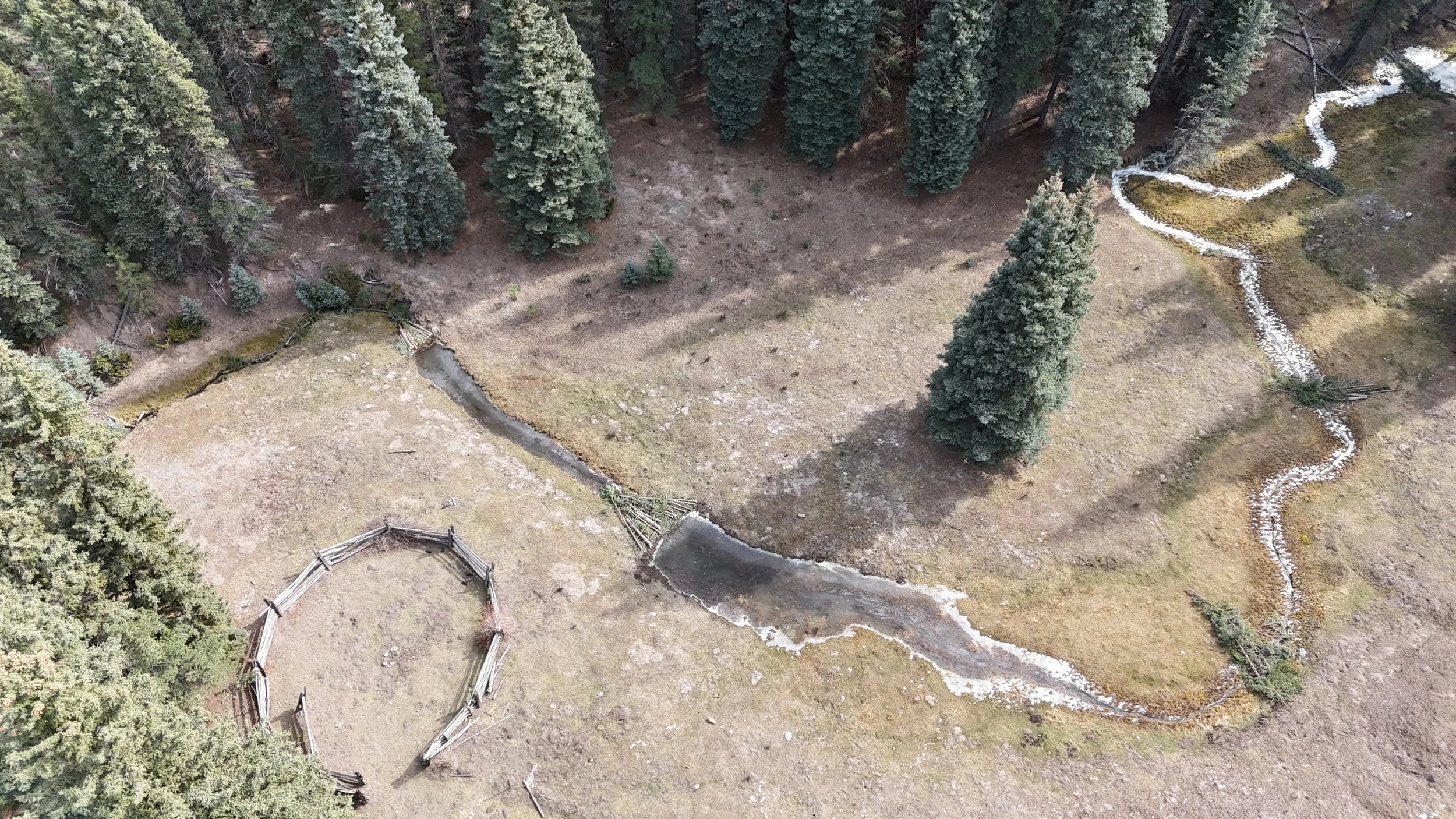
Ten years of measurable work
Since 2016, members of the 2-3-2 Partnership have worked collaboratively across six million acres to protect and restore the forests and waters of the Rio Grande and San Juan watersheds.
Miles of Stream and River Restored
50
115K+
Acres of Hazardous Fuels Reduction
655+
Unique Collaborators Across 199 Organizations
760
Jobs Supported Annually
A shared investment
In additional funding secured since 2022
$30M
CFLRP funds allocated through 2031
$29.3m
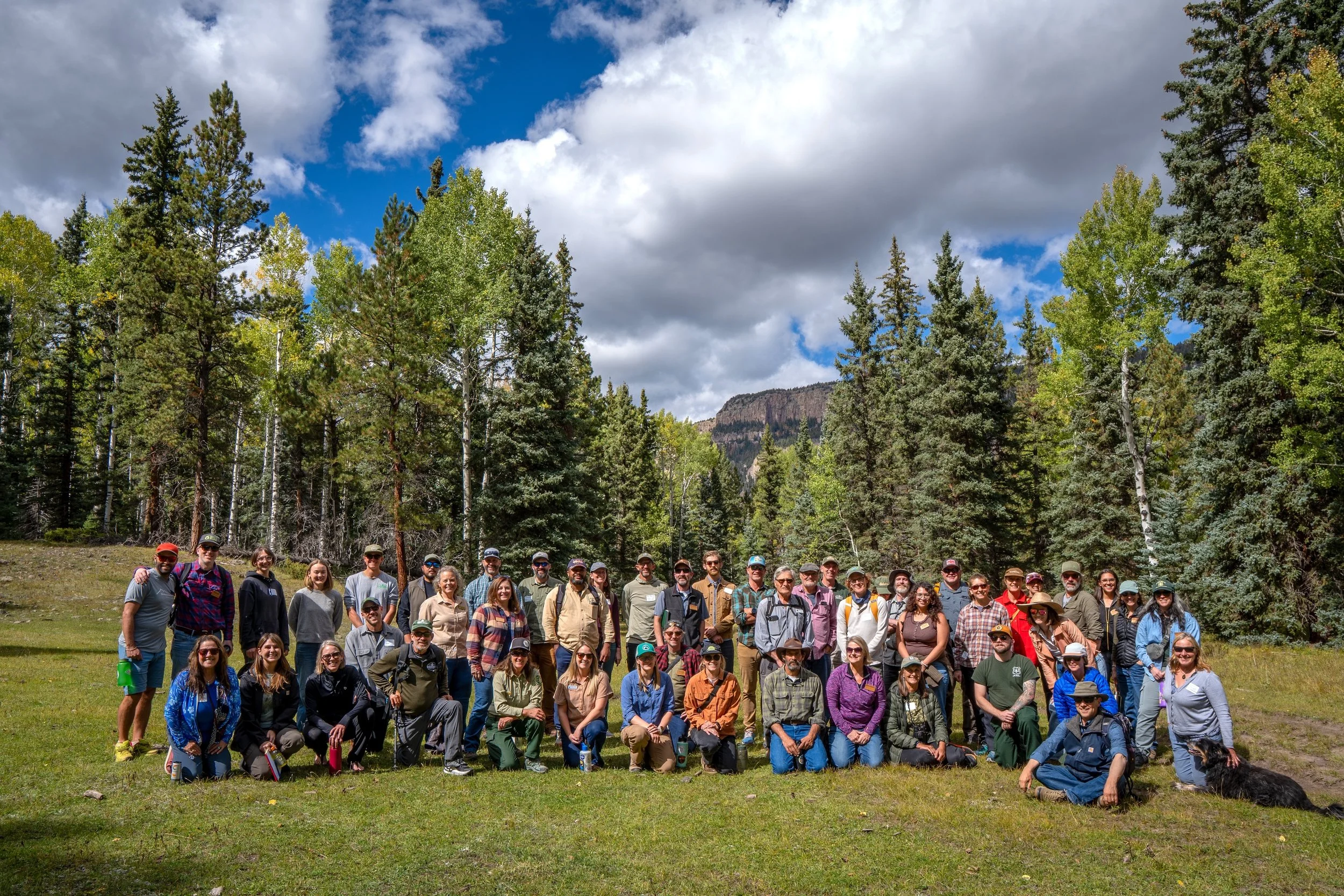
Meet Our Team
a Network built on trust
The 2-3-2 is made up of community organizations, tribal governments, local non-profits, researchers, and federal agencies. The executive committee provides leadership and direction for the Partnership. The work is led by 199+ partner organizations and place-based community groups.
If your agency is exploring cross-boundary collaboration on forest and watershed restoration, we would welcome the conversation.
Meet Our Executive Committee ↓
-
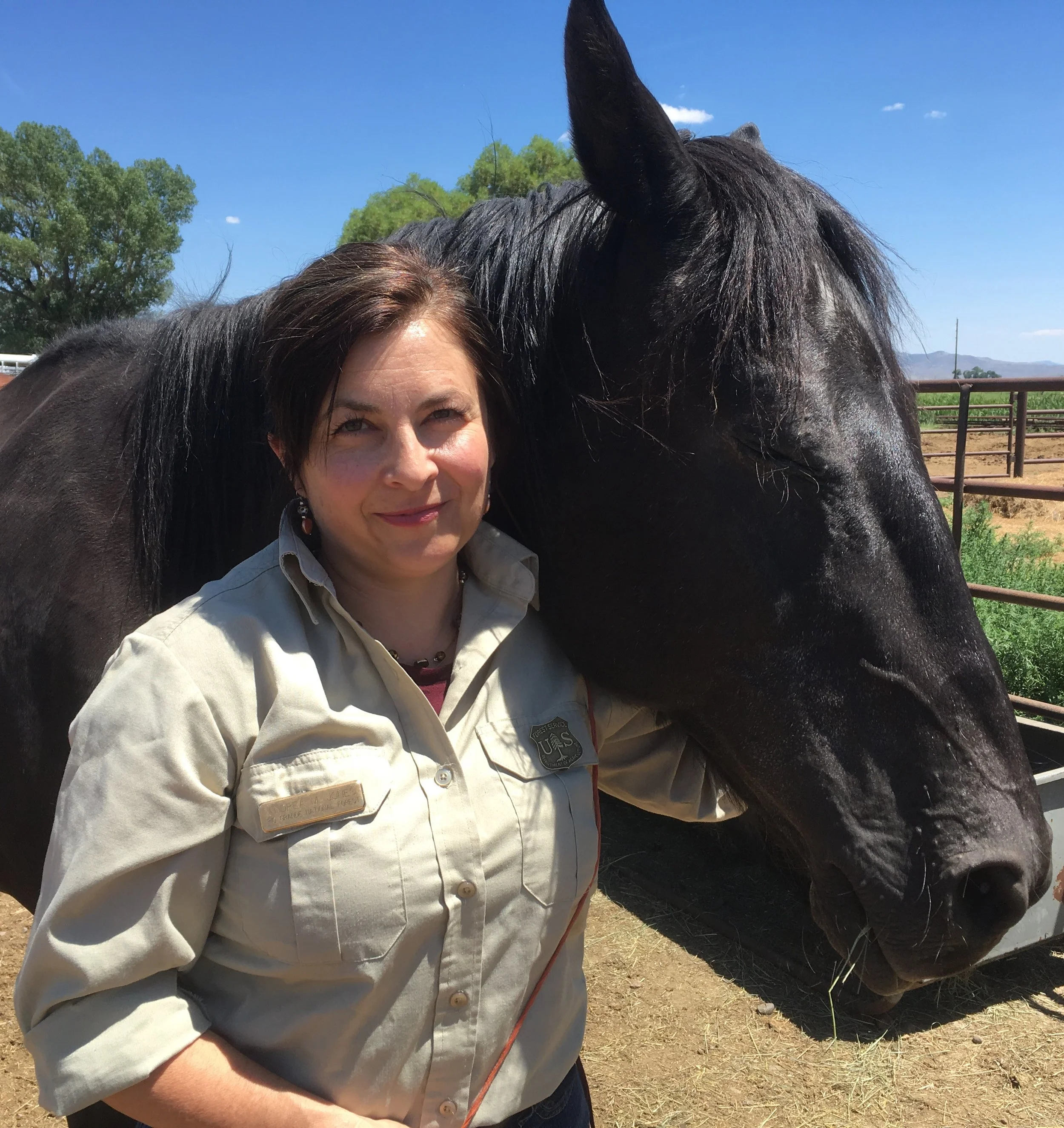
![A woman with light brown hair and a beige uniform standing outdoors beside a black horse, with green trees and mountains in the background under a clear blue sky.]()
Andrea Jones
Conejos Peak District Ranger, Rio Grande National Forest.
For over 15 years, Andrea has been the District Ranger on the Conejos Peak District of the Rio Grande National Forest. Andrea commits to the 2-3-2 because “it is a catalyst for sharing resources, knowledge, and land stewardship responsibility, and it brings much needed funding and attention to this special and unique landscape. -
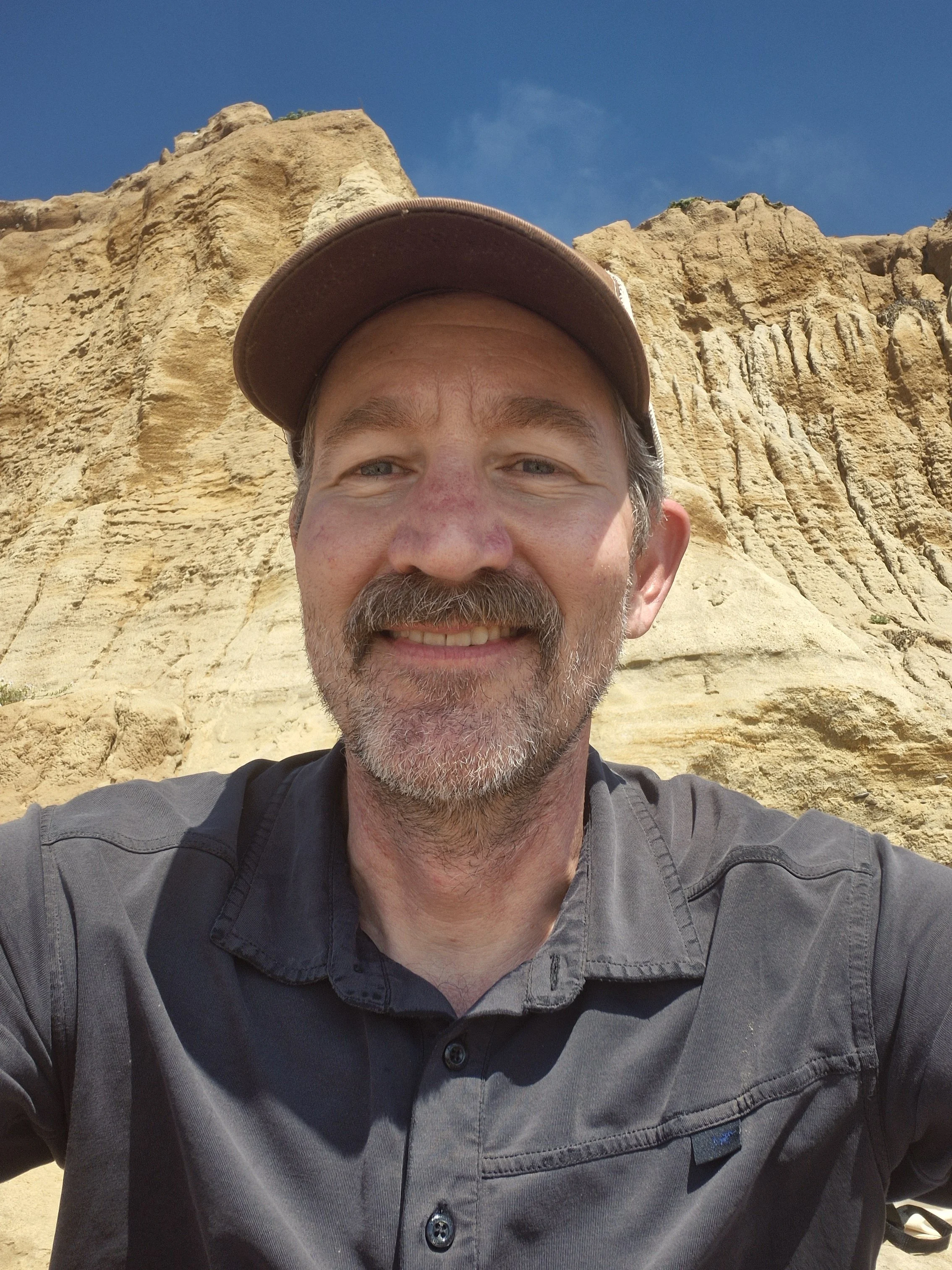
![Close-up of a smiling man with a beard, wearing a brown baseball cap and a gray button-up shirt, standing in front of rocky cliffs and a clear blue sky.]()
Zack Parsons
Rio Chama CFLRP Coordinator, US Forest Service.
Zack has worked for the US Forest Service for 17 years and currently leads the Rio Chama CFLRP. Zack enjoys biking, skiing, paddling, hiking, and camping with his two children, and is committed to the 2-3-2 because “the water that comes out of the tap at his home in Albuquerque relies on these important watersheds and he currently thinks the Elk Creek first meadow is one of his favorite places on earth.” -
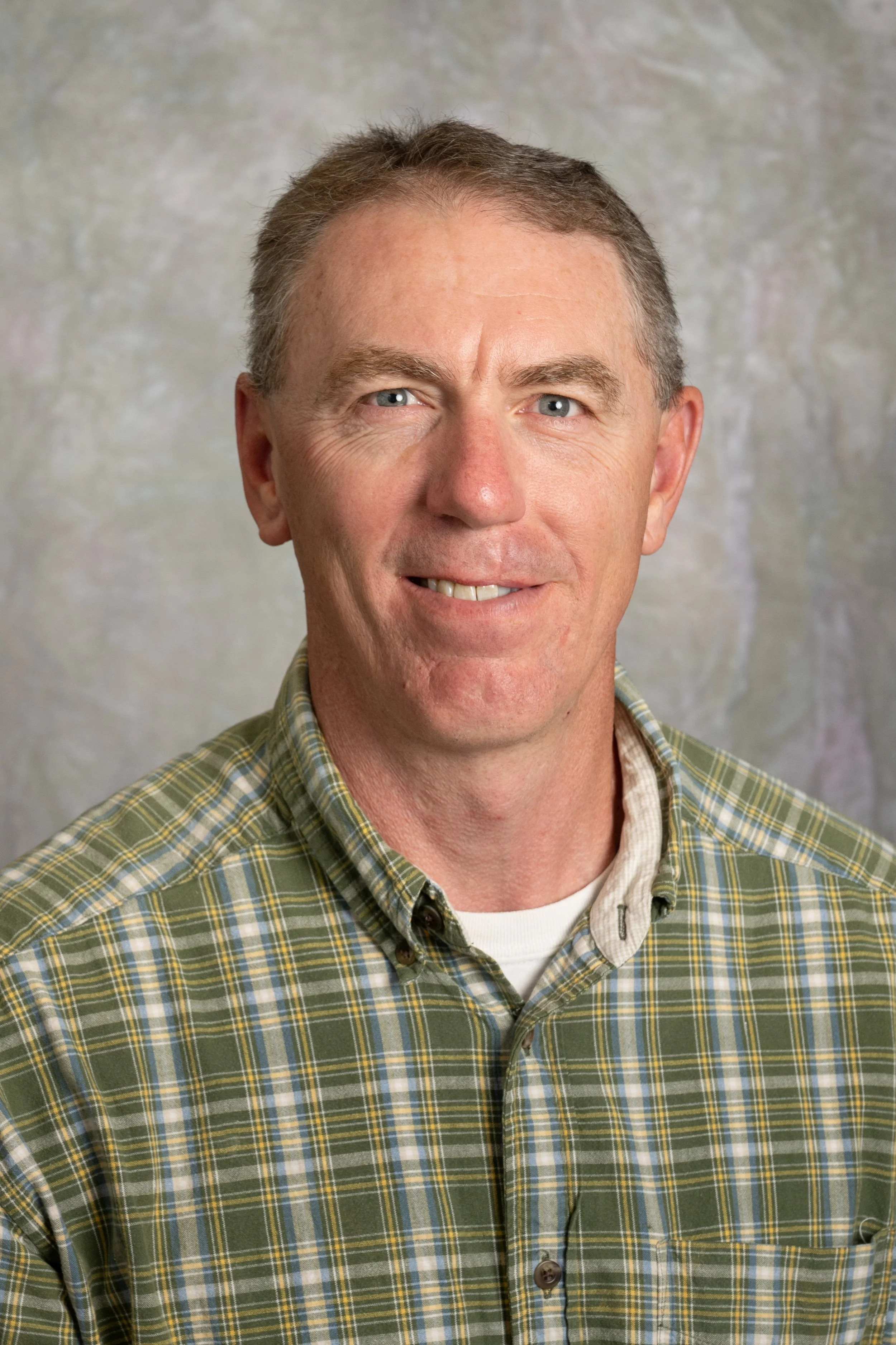
![A middle-aged man with short brown hair and blue eyes, smiling slightly, wearing a green and yellow plaid shirt with a white undershirt, standing in front of a neutral textured background.]()
Adam Moore
Supervisory Forester, Alamosa Field Office, Colorado State Forest Service
Adam has lived and worked in the 2-3-2 since 2010. In his professional role, Adam works with area residents to meet their forest management goals while creating resilient forests and reducing wildfire risks. For Adam, the 2-3-2 creates a venue for implementing aspects of the Colorado Forest Action Plan. -
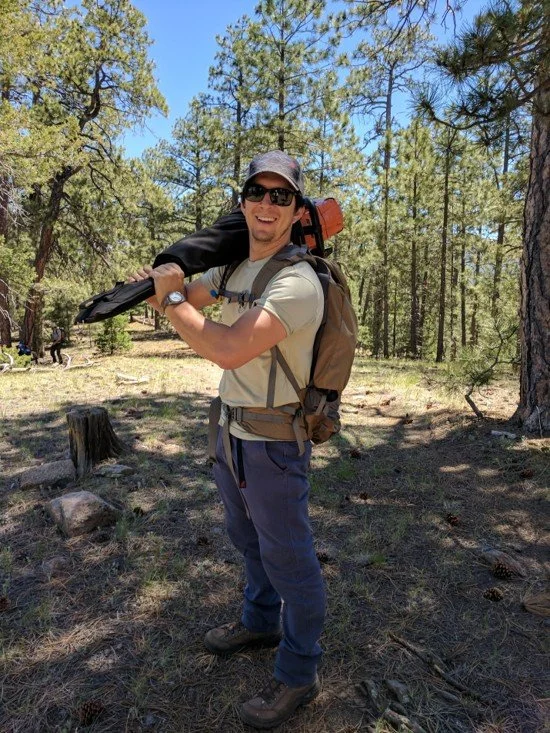
![A man wearing sunglasses, a cap, and outdoor clothing, standing in a forest with tall trees, carrying a backpack and holding a camera or equipment, smiling at the camera.]()
Mannie Lopez
New Mexico Program Manager, National Forest Foundation
Mannie is a multi-generational New Mexican working to steward public lands and watersheds that support resilient communities. Mannie knows that the landscape encompassing the 2-3-2 is not only full of rich biodiversity and resources that people depend on, but it has been the source of culturally and historically complex societies. Mannie commits to the 2-3-2 because “people within these communities rely on land management practices that incorporate their needs and practices” and he strives to reiterate this within the executive committee. -
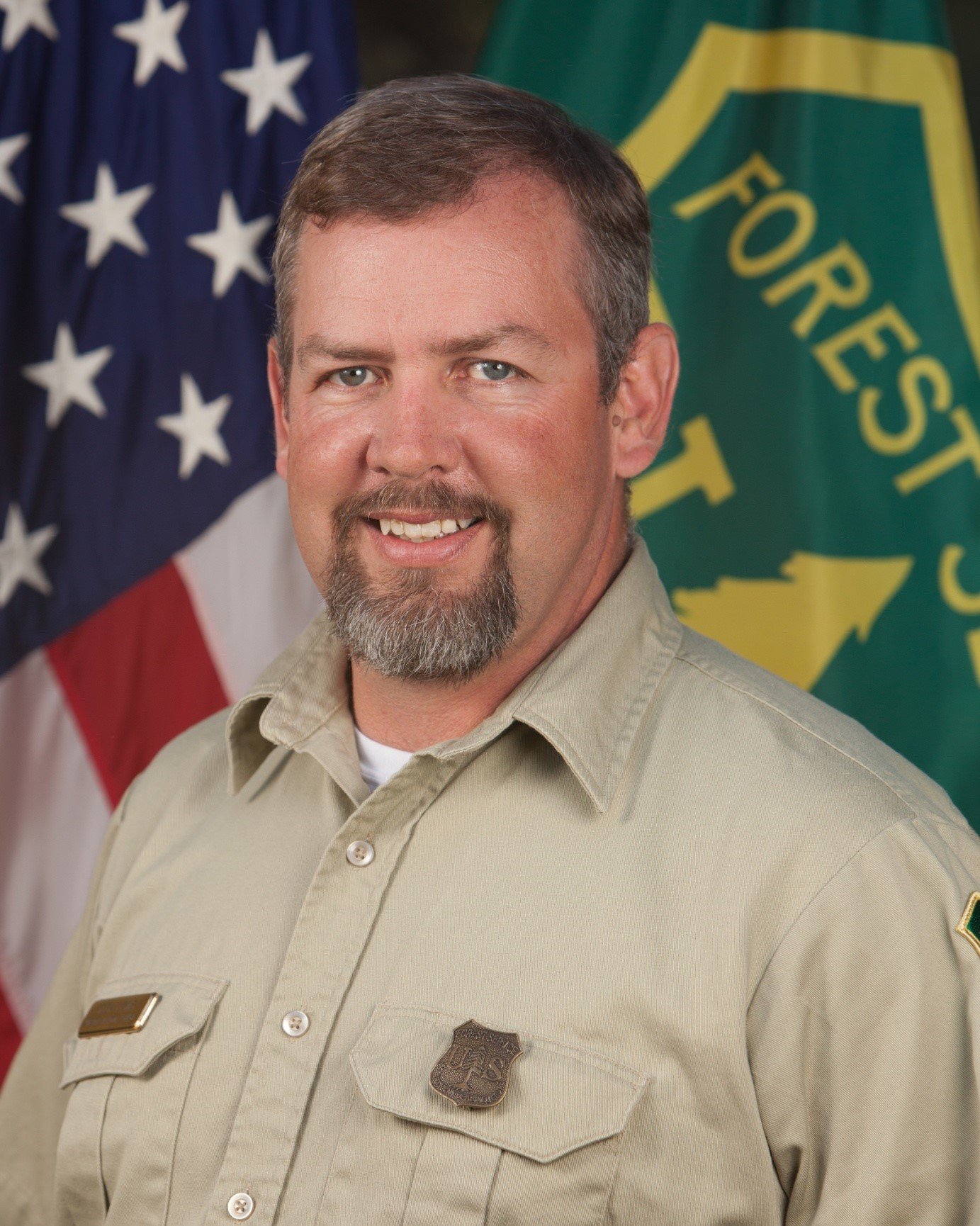
![A man with gray hair and a beard wearing a beige uniform with a badge in front, standing in front of American and green flags.]()
Jack Lewis
Deputy Forest Supervisor, Carson National Forest
Jack has worked on all four National Forests, in a variety of roles, that the 2-3-2 serves. Jack now represents the Carson National Forest and works to strengthen ties with local communities and organizations. Jack commits to the 2-3-2 to “continue the bonds that have been developed over many years and help create new relationships.”
-
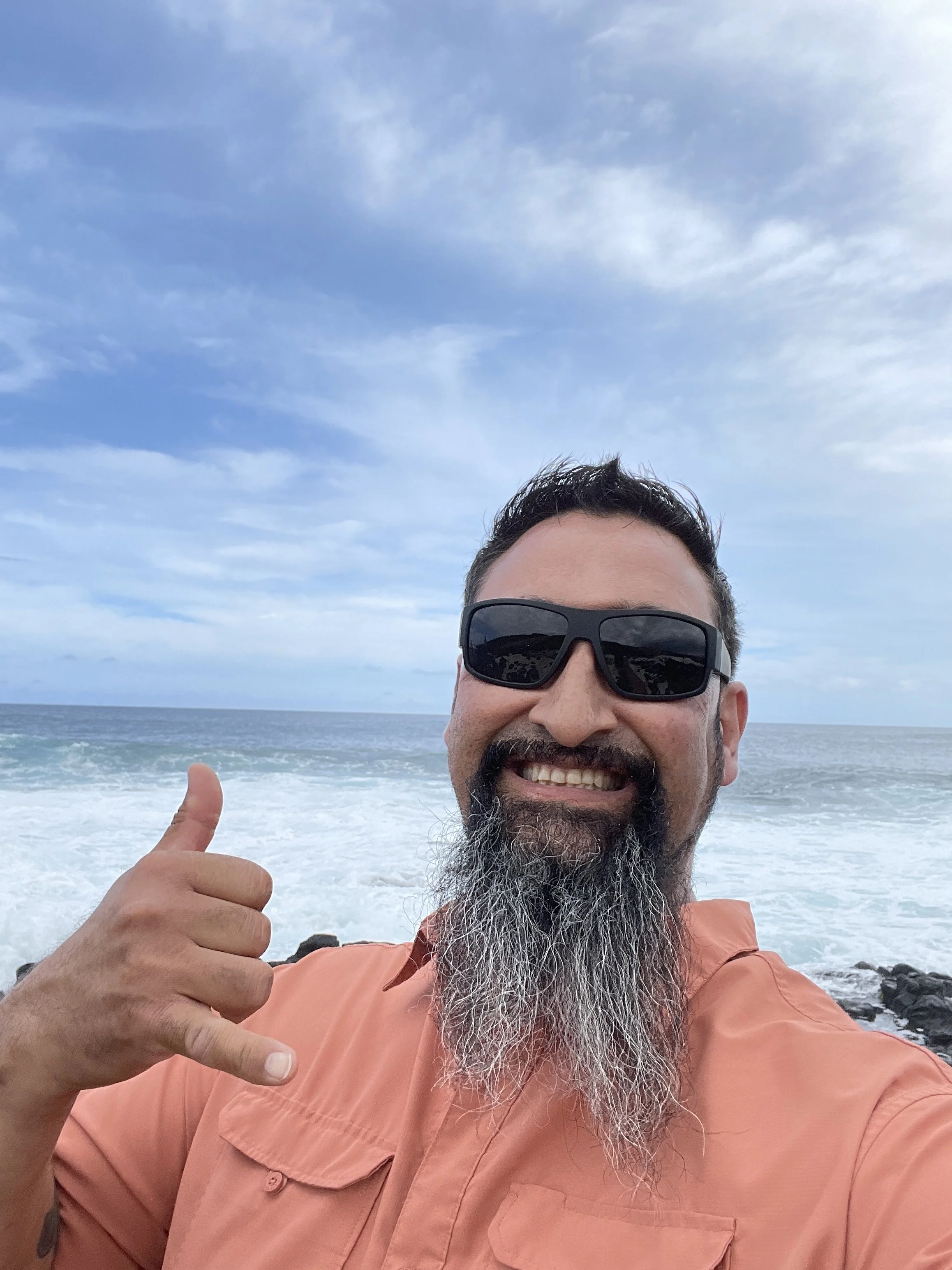
![A man with a beard, black sunglasses, and a peach-colored shirt taking a selfie at the beach, smiling and giving a thumbs-up gesture with the ocean and sky in the background.]()
Joe Carrillo
Chama District Forester, New Mexico Energy, Minerals, and Natural Resources – Forestry Division
Joe has worked with New Mexico Forestry for 21 years and is a lifelong resident of the Chama area. Joe is dedicated to the 2-3-2 landscape to promote a healthy environment for the residents and visitors of the area. Joe knows that Chama is “the water tower for much of New Mexico and that its people need to be the responsible stewards to keep the landscape functioning in a manner that is sustainable while still enjoying the value the land provides.”
-
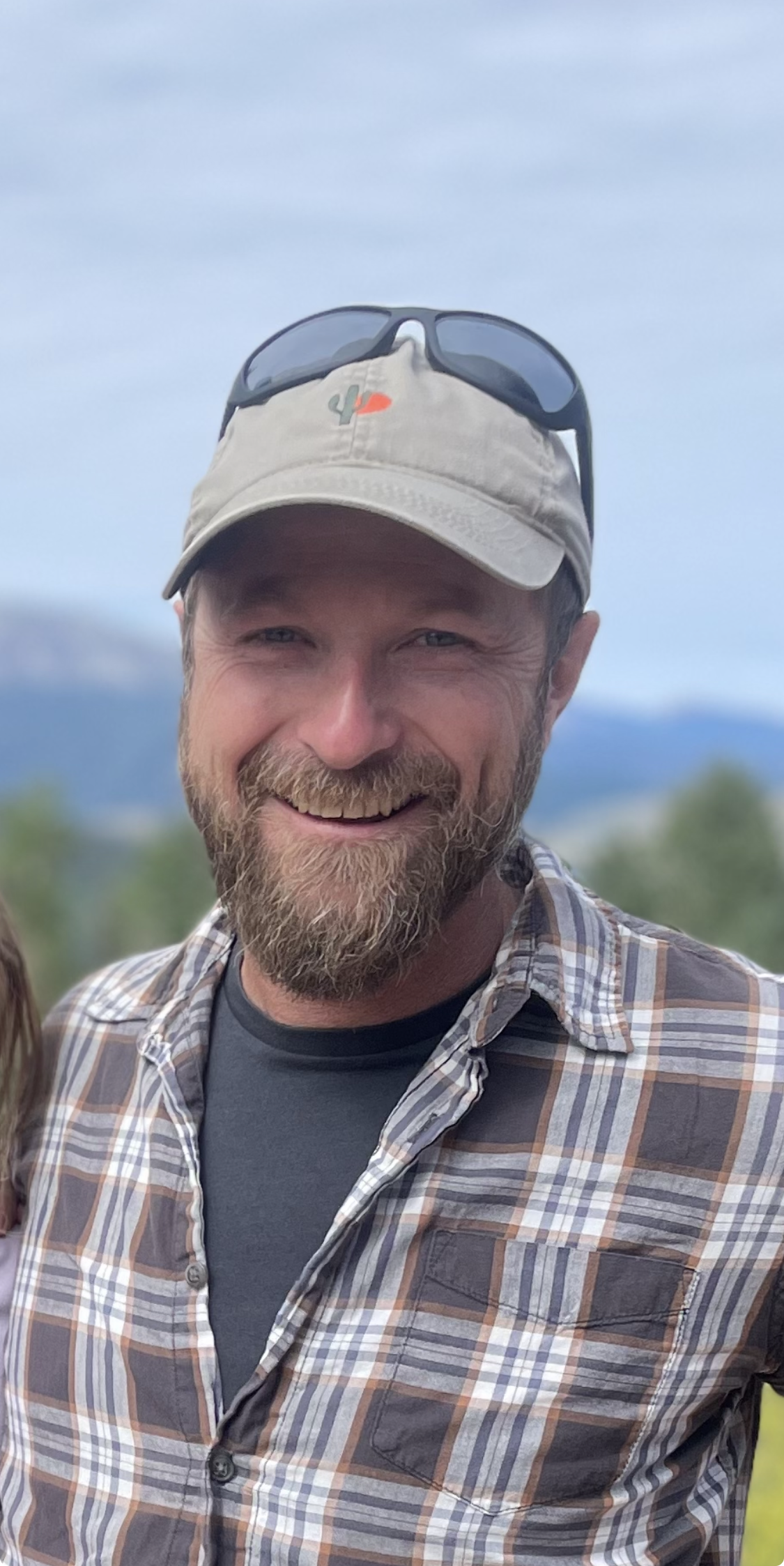
![Close-up of a smiling man with a beard and light blue eyes, wearing a beige cap with a cactus embroidered on it, sunglasses on top, and a plaid shirt over a dark t-shirt, outdoors with mountains and sky in the background.]()
Caleb Stotts
Executive Director, Chama Peak Land Alliance
Caleb works with conservation-minded landowners to practice and promote stewardship of the San Juan-Chama region. This stewardship includes big goals such as water security and community protection from wildfire. Caleb commits to the 2-3-2 because he knows “the Partnership helps facilitate the critical relationships that enable many partners to work across jurisdictional boundaries.”
-
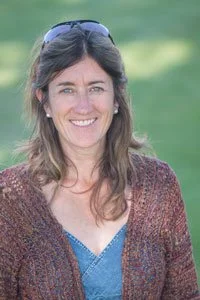
![A woman wearing sunglasses and a beige cap takes a selfie outdoors near a construction or excavation site. In the background, there are various construction equipment, vehicles, and a dirt road with some trees along the horizon.]()
Angie Krall
Southwest Region Director, Forest Stewards Guild
Angie has dedicated her career to supporting forest resiliency and water security while at the same time furthering community connections to our Forests. Angie joined the 2-3-2 in 2018 and has seen it grow in quantity and quality, as the diverse group grows each year and builds upon those that came before. Angie commits to the 2-3-2 because “it reflects and acts on the same values I hold dear.”
-
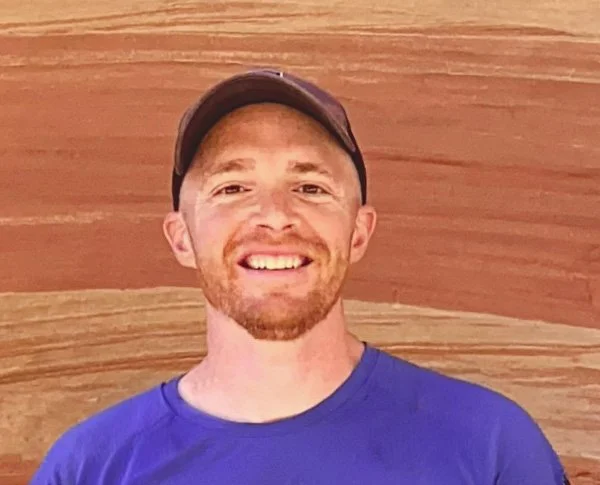
![A smiling man wearing a dark cap and a blue shirt, with a wooden background.]()
Jason Scullion
Forest Strategy Director, The Nature Conservancy New Mexico
Jason is a third-generation forest resource professional with a background in forest resource planning, strategy, and operations. He has supported forest conservation and restoration projects in the USA, Latin America, and Africa. Jason is thrilled to be a part of 2-3-2 as it advances his belief that collaboration is essential for durable and equitable conservation outcomes.
-
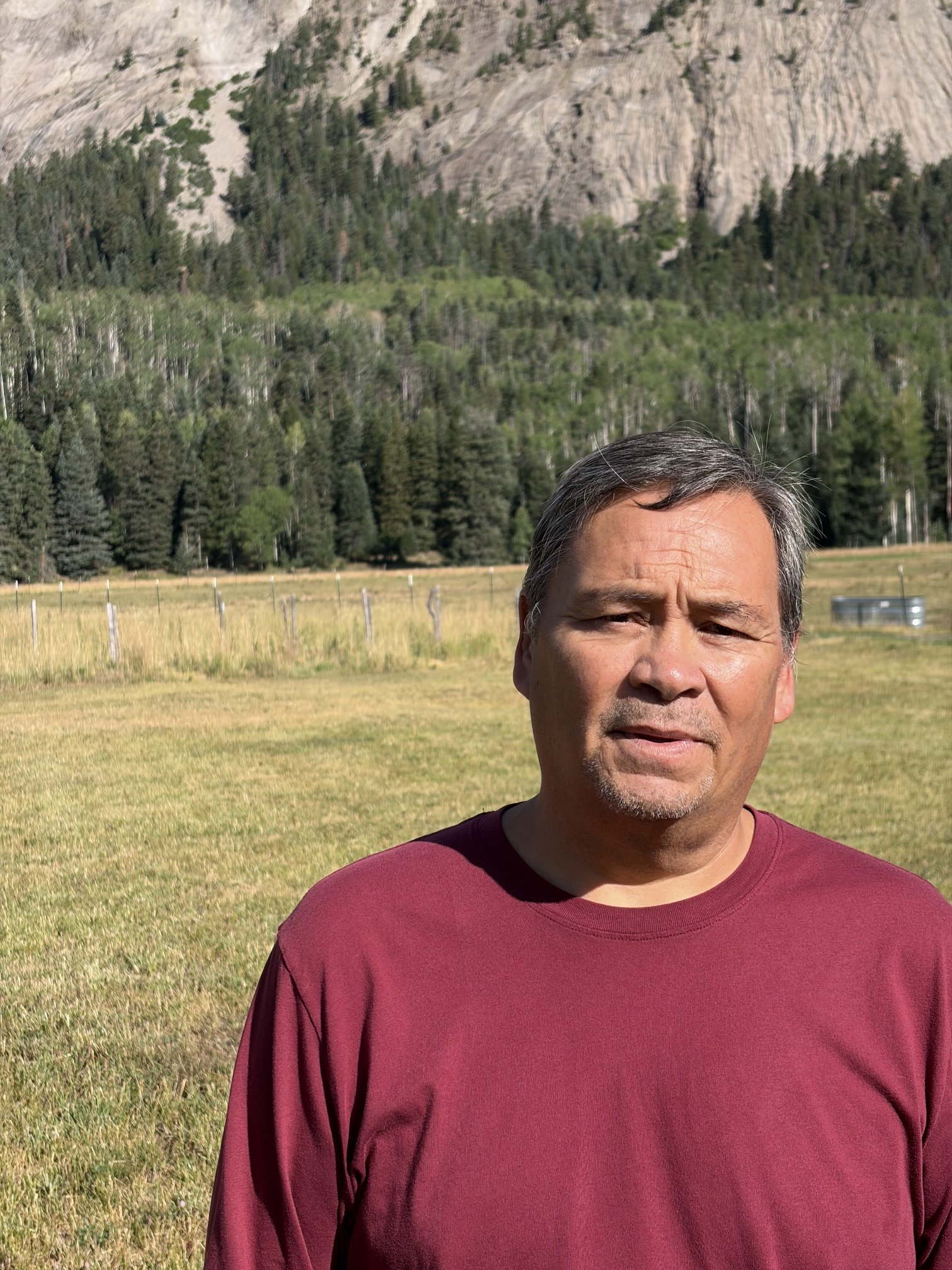
![A man standing outdoors, wearing a maroon long-sleeve shirt, with a background of trees, mountains, and a grassy field.]()
Daniel Denipah
Forestry Director, Santa Clara Pueblo
Santa Clara Pueblo participates in the 2-3-2 landscape because it helps to protect and restore the tribe’s ancestral lands and waters through coordinated regional planning. The framework supports healthier forest and watershed conditions, reducing the risk of catastrophic wildfire that threatens cultural sites and community safety. It also strengthens collaboration with neighboring tribes, agencies, and partners to ensure long-term stewardship of the land.
-
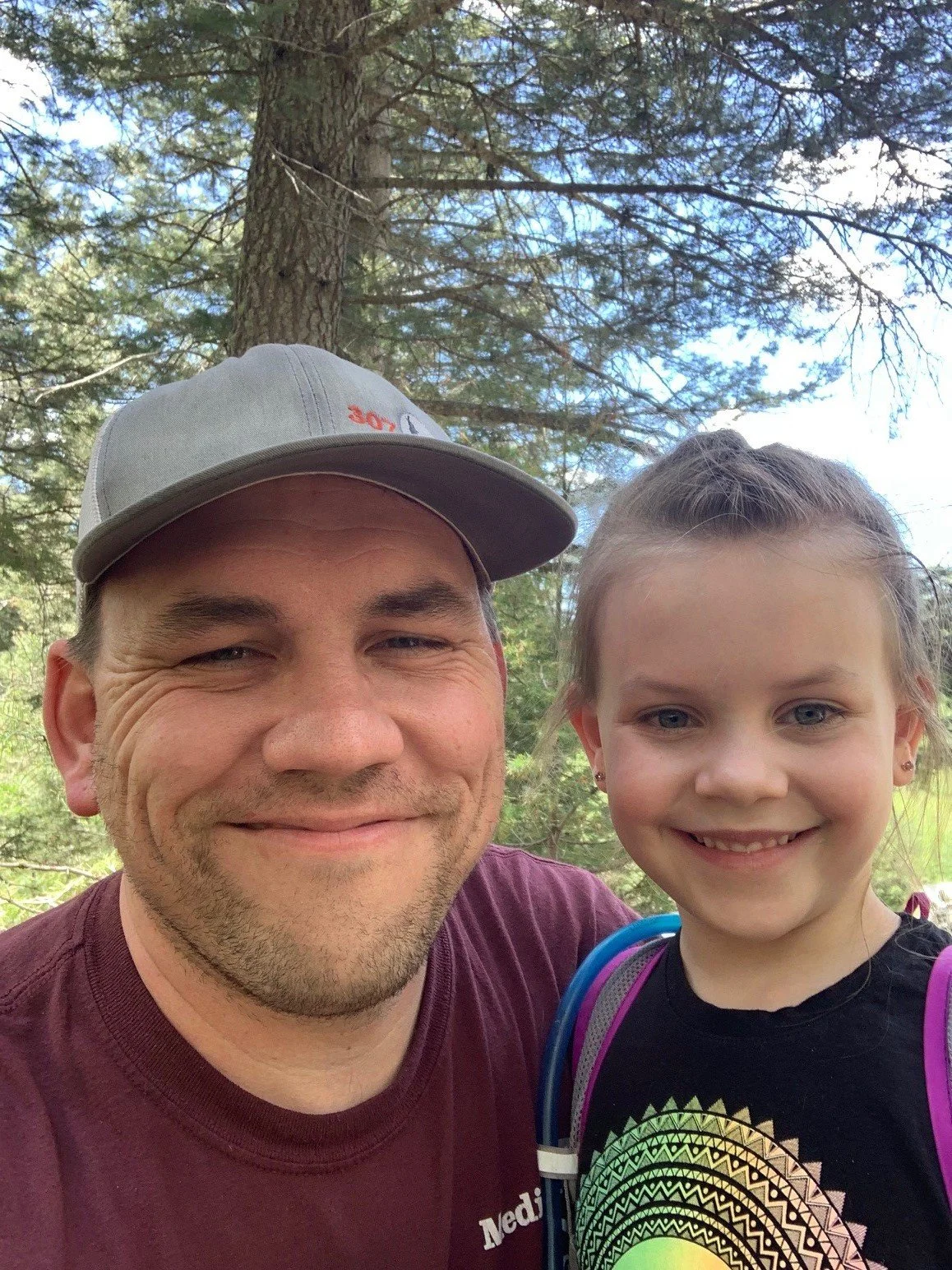
![A man and young girl smiling outdoors in a forested area, with trees and blue sky in the background.]()
Josh Peck
Pagosa District Ranger, San Juan National Forest
Josh has worked with the US Forest Service for 20 years, with the past 5 as the District Ranger on the Pagosa District of the San Juan National Forest. Josh commits to the 2-3-2 “for one simple reason: In a world where every relationship is wrapped in layers on intrigue, to be part of a group that at its core cares for each other and cares for those that live and work in the 2-3-2 landscape is refreshing and inspiring.”
Contact Us
Contact Us Directly by Emailing lily@forestguild.org
Stay Connected with the 2-3-2
Subscribe to receive updates on upcoming meetings, field tours, partner news, and restoration work happening across the landscape.